
Zhejiang Taikang Evaporator Co., Ltd
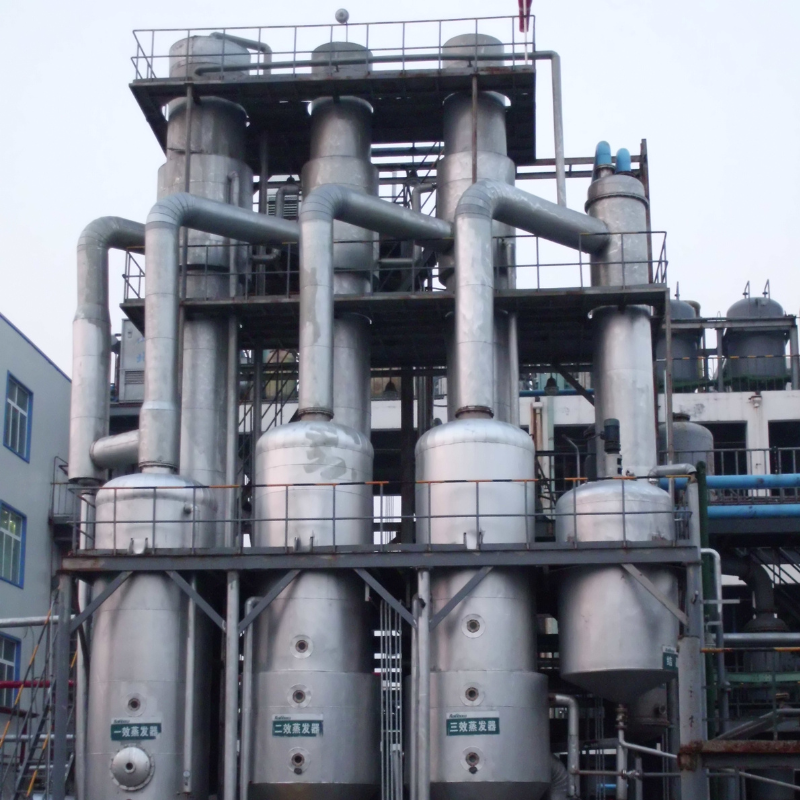
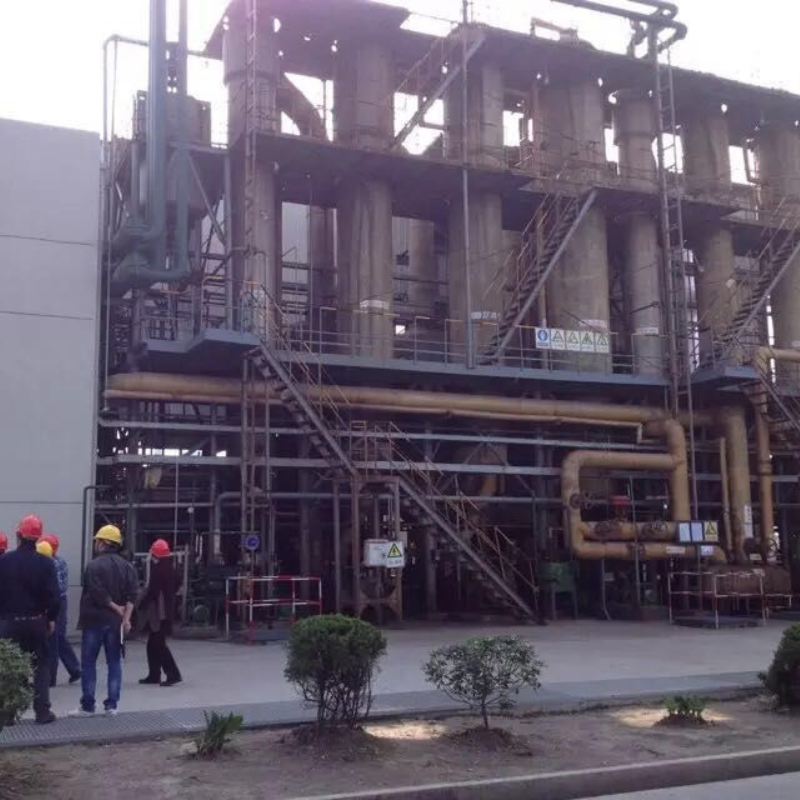
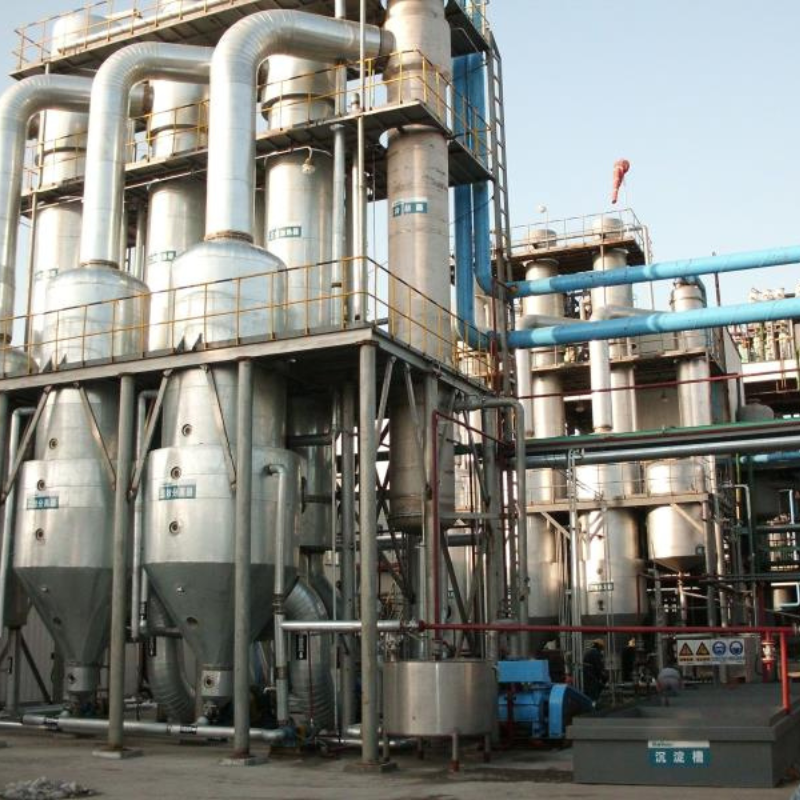
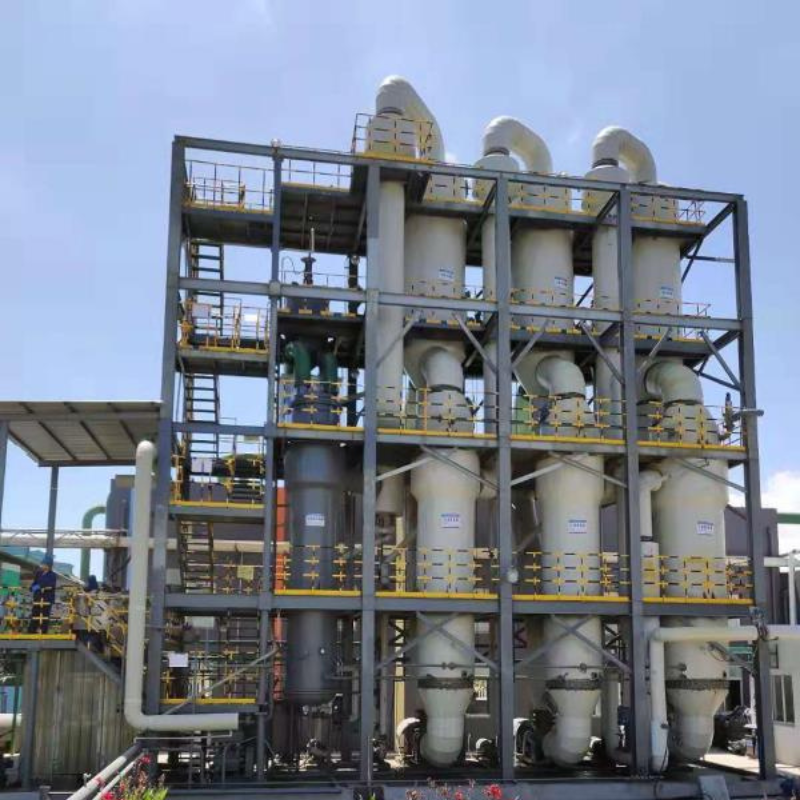
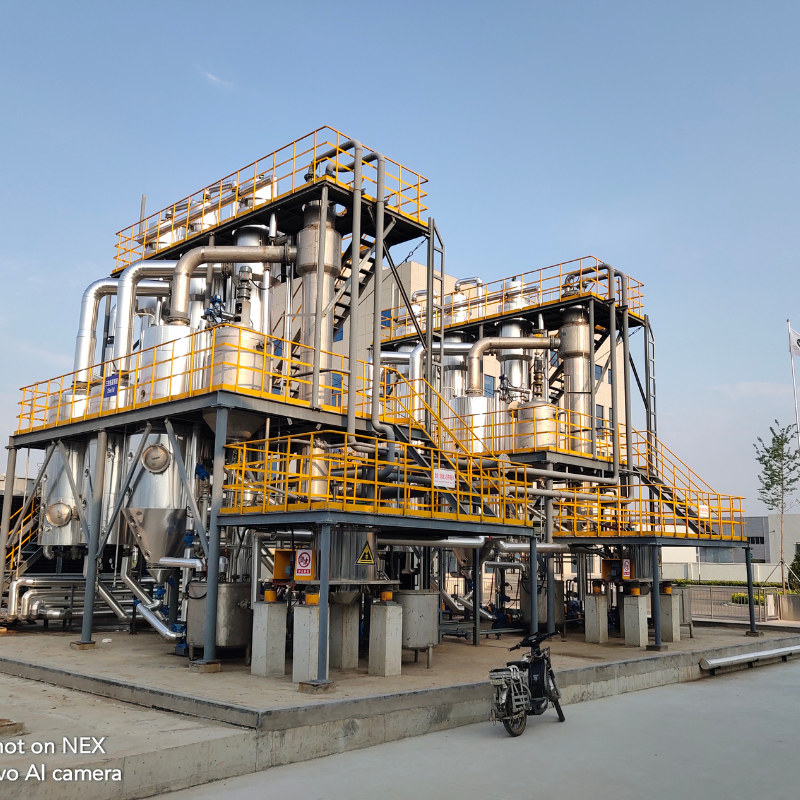
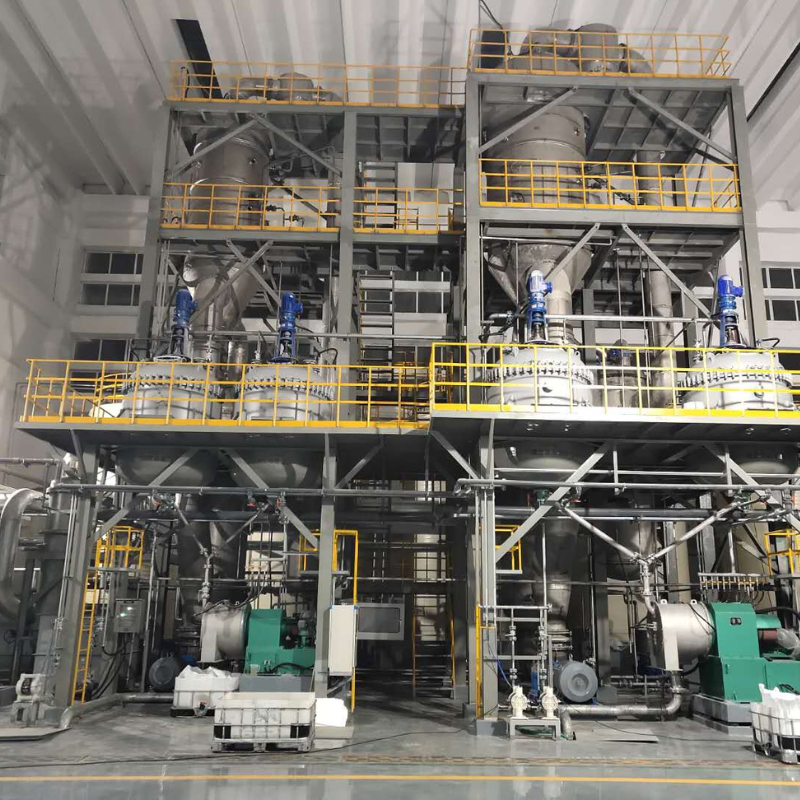
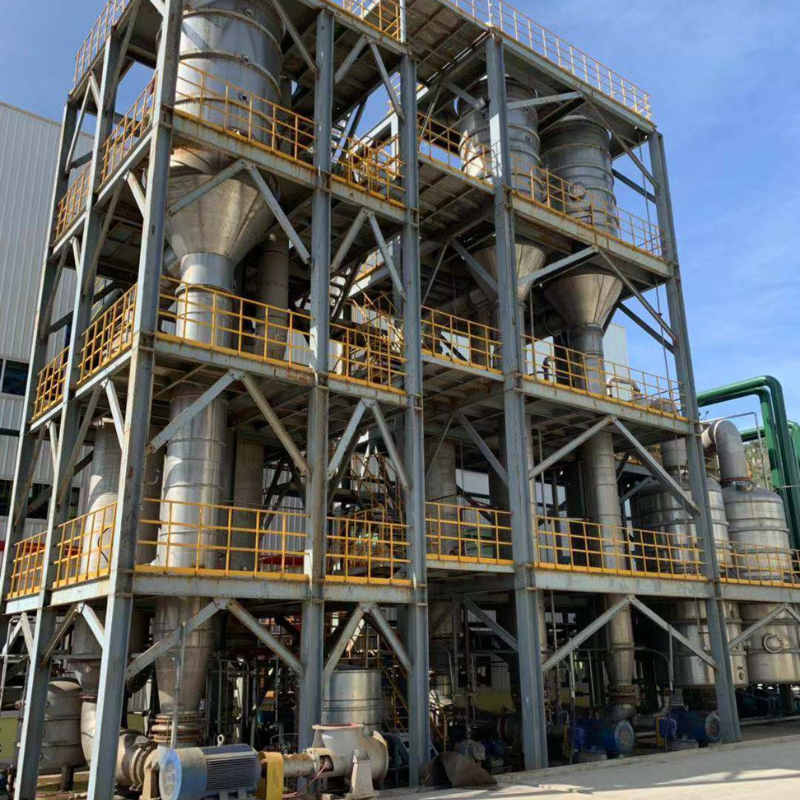
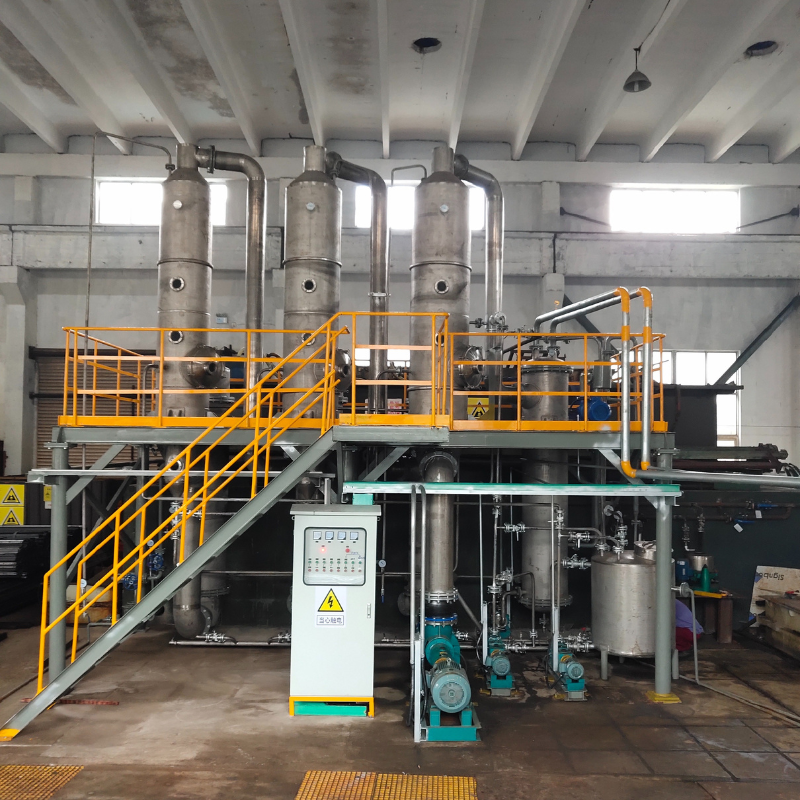
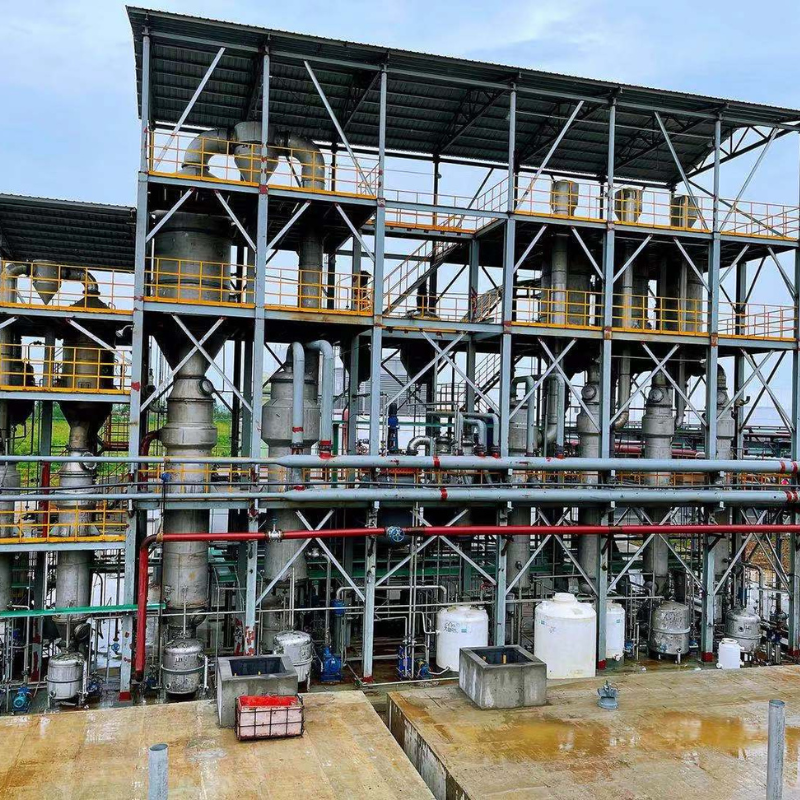
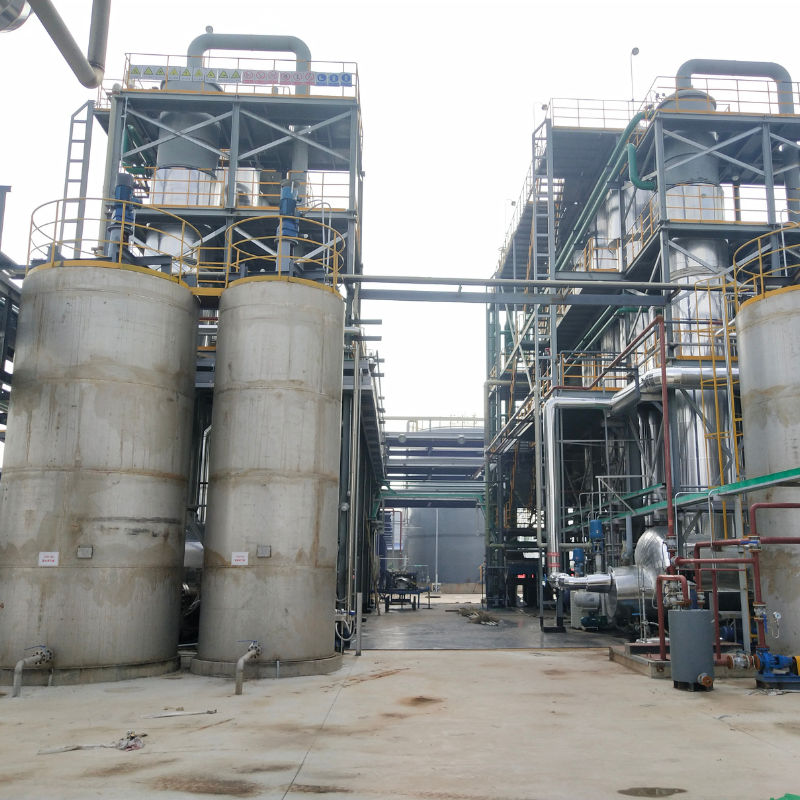
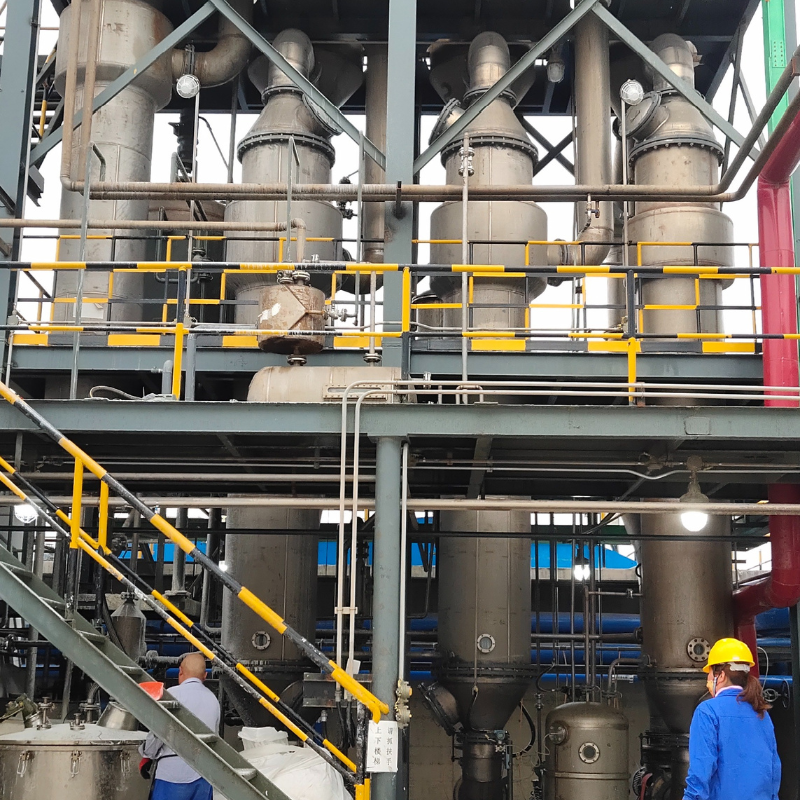
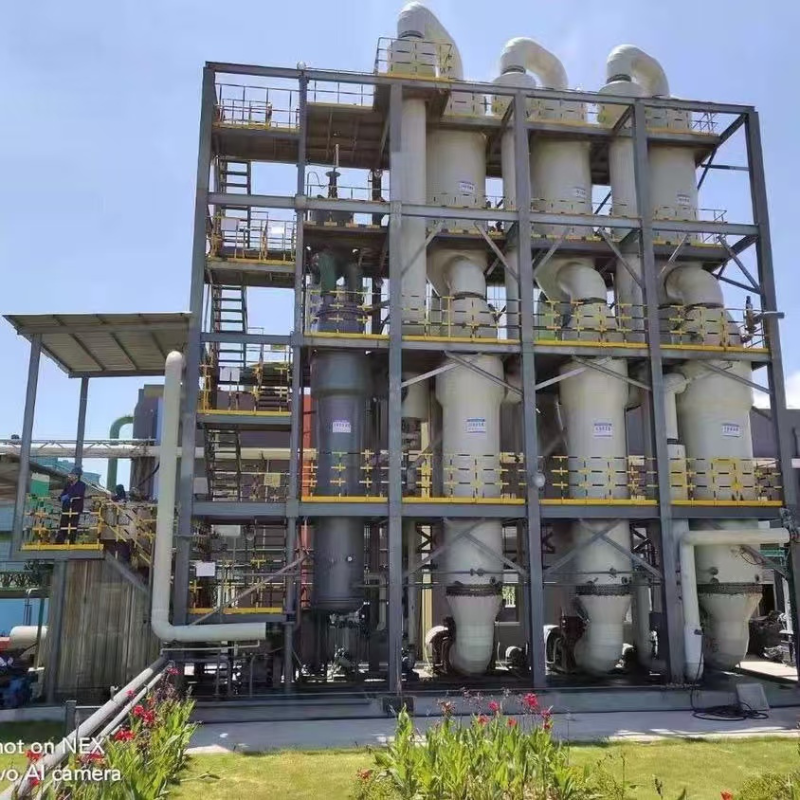
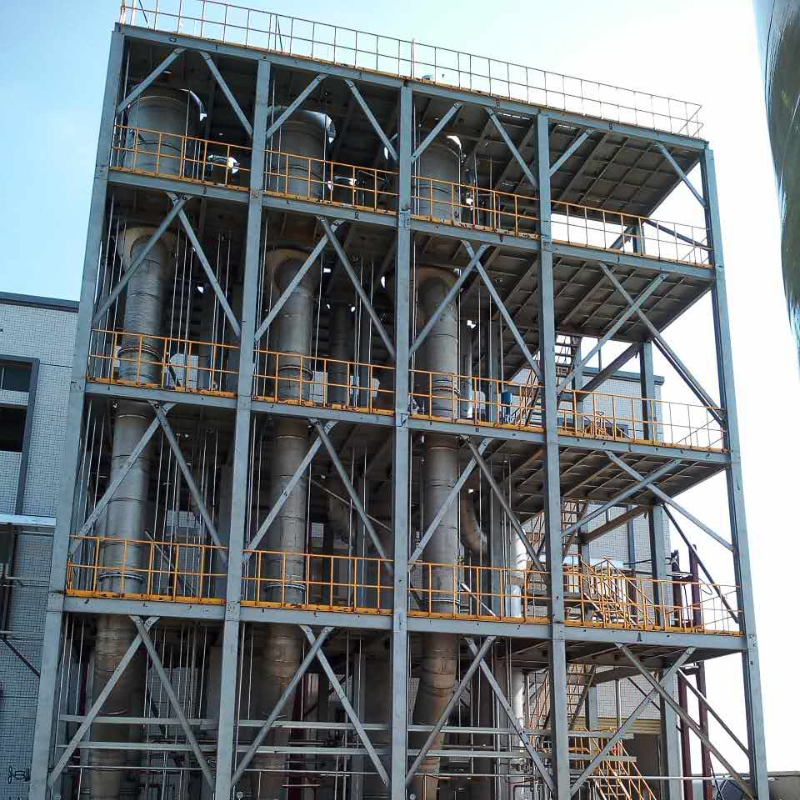
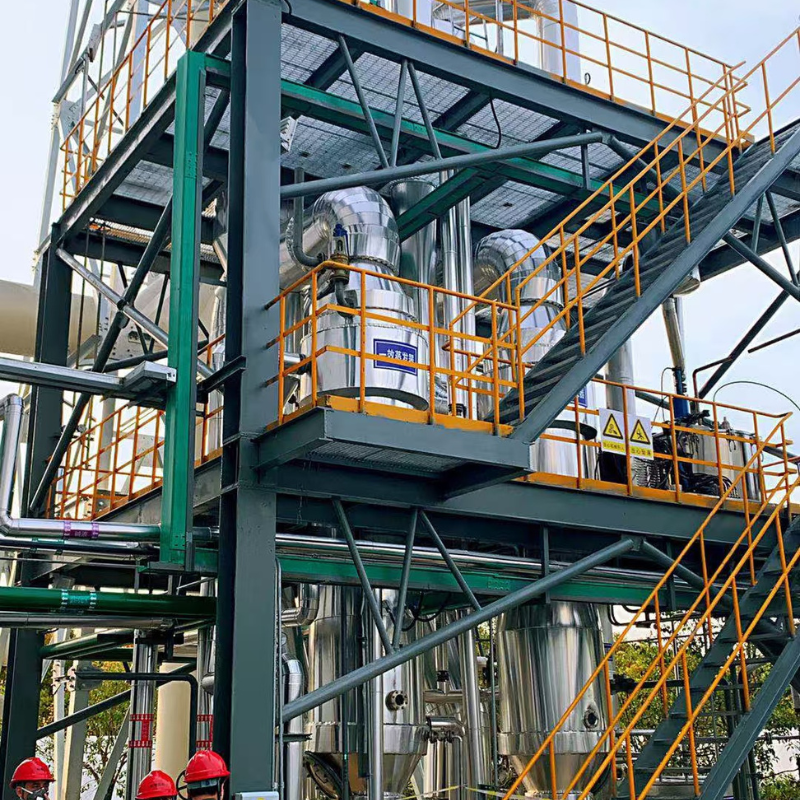
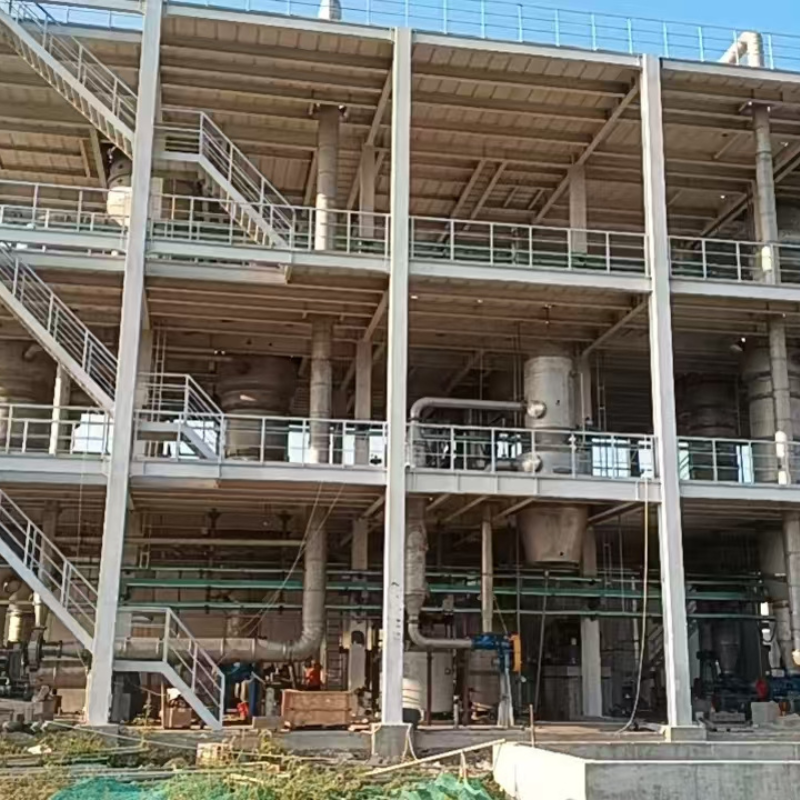
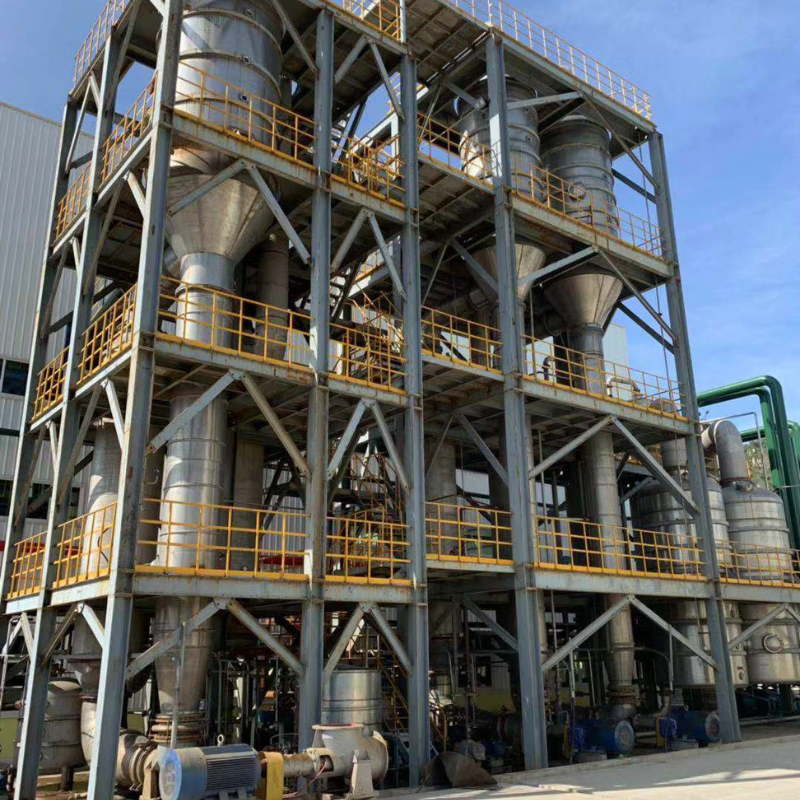
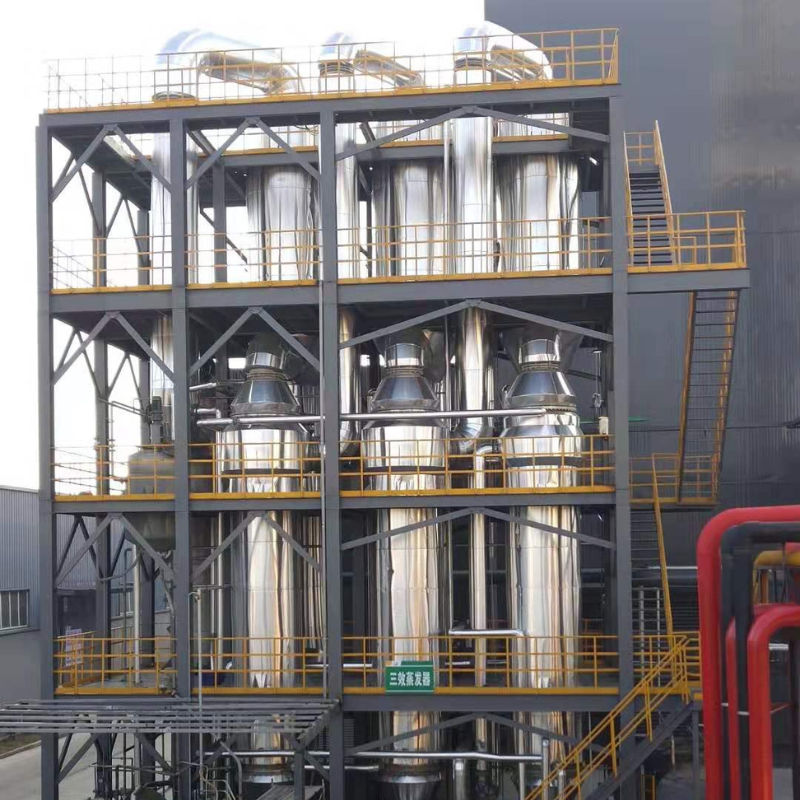
Evaporation is a common separation process in the chemical industry, and multi-effect evaporators are often used in evaporation operations. The evaporation process consumes a large amount of thermal energy and generates a significant amount of secondary steam.
A multi-effect evaporator consists of multiple evaporators arranged in series, each with different evaporation processes. Depending on how the feed material is introduced into the multi-effect evaporator, the evaporation process can be divided into three main stages. The multi-effect evaporator utilizes evaporation, concentration, and crystallization systems to remove inorganic salts from waste liquids through evaporation. In a multi-effect evaporation system, only the first effect requires external steam input, while the secondary steam generated by the previous effect evaporator is directly used as heating steam for the subsequent evaporator. The later evaporators do not require fresh steam input, and the steam can condense into water.
The multi-effect evaporation system includes multiple evaporation chambers, each equipped with an evaporator. The middle section of the evaporator has a feed inlet, and the bottom has a discharge outlet. The steam outlet of the first effect evaporator is connected to the inlet of the evaporator in the next effect chamber. By adopting this structure, the total material accumulation is reduced at certain effects, compensating for the shortcomings of frequency control. This ensures the uniform flow of material between the various effects. This multi-effect evaporation operation mode allows for repeated use of the secondary steam for evaporation and condensation, which significantly reduces the consumption of primary steam, thereby improving the economic efficiency of the evaporation system.
As an important unit in chemical evaporation, multi-effect evaporators can save energy, reduce consumption, and lower both investment and operational costs. So, how should the multi-effect evaporation system be designed to save investment and reduce energy consumption?
Common multi-effect evaporators are usually designed to find the distribution of effective temperature differences for each effect under a given system heat transfer temperature difference, thus reducing the total system cost.
It is well-known that increasing the heat transfer temperature difference, improving the equipment capacity, reducing the heat transfer area, increasing the vacuum in the condenser, increasing the power cost of the vacuum pump, raising the pressure of the primary steam, and increasing the condenser vacuum are all necessary considerations.
The design of the multi-effect evaporator system should be optimized to save energy and investment.